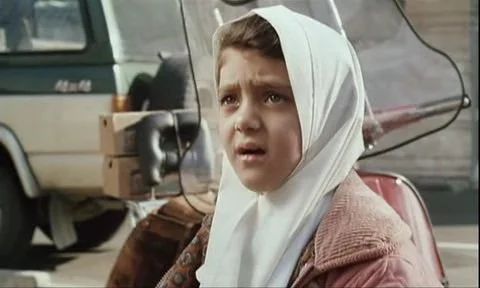
The Devouring, My Novel-in-Progress

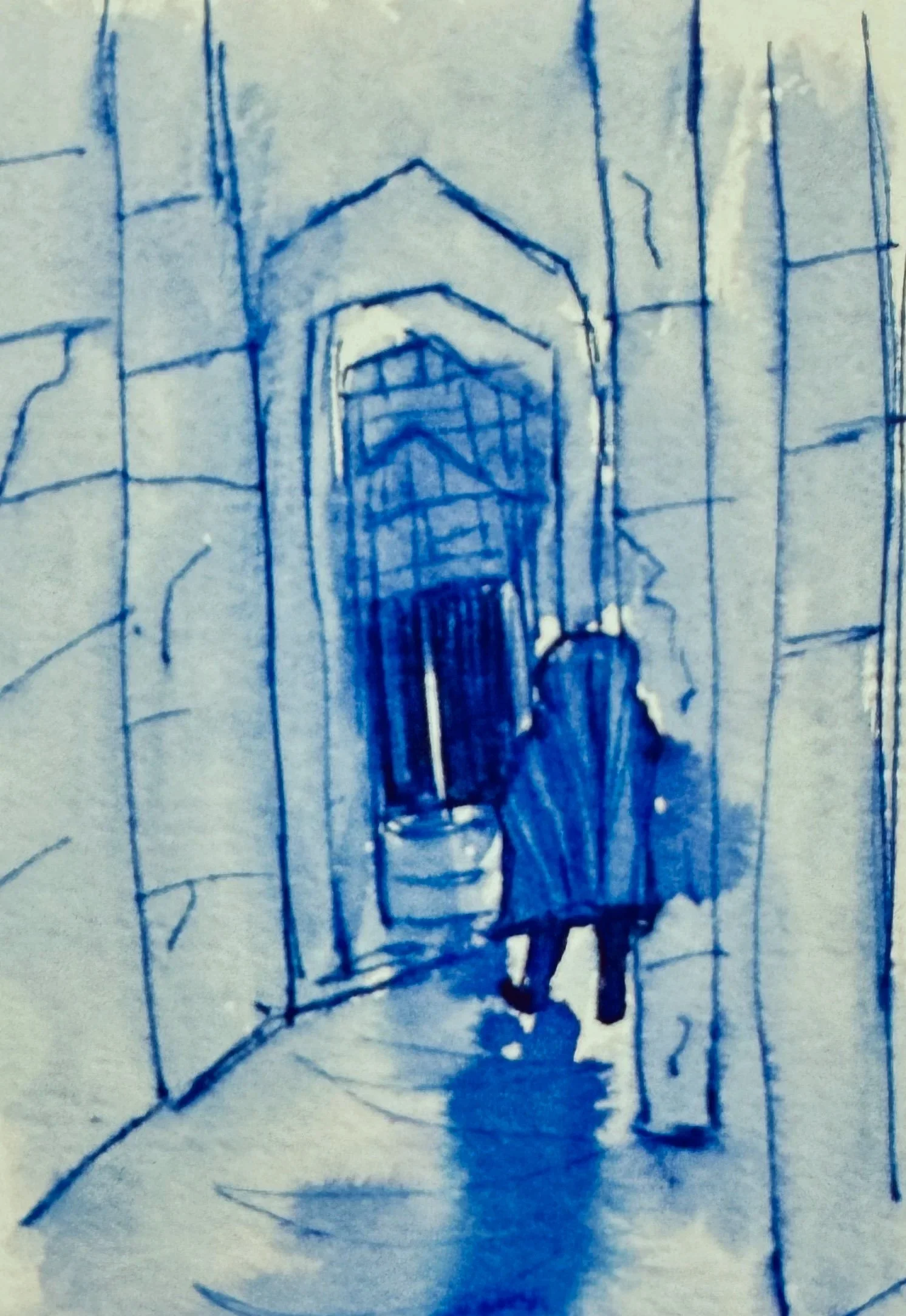
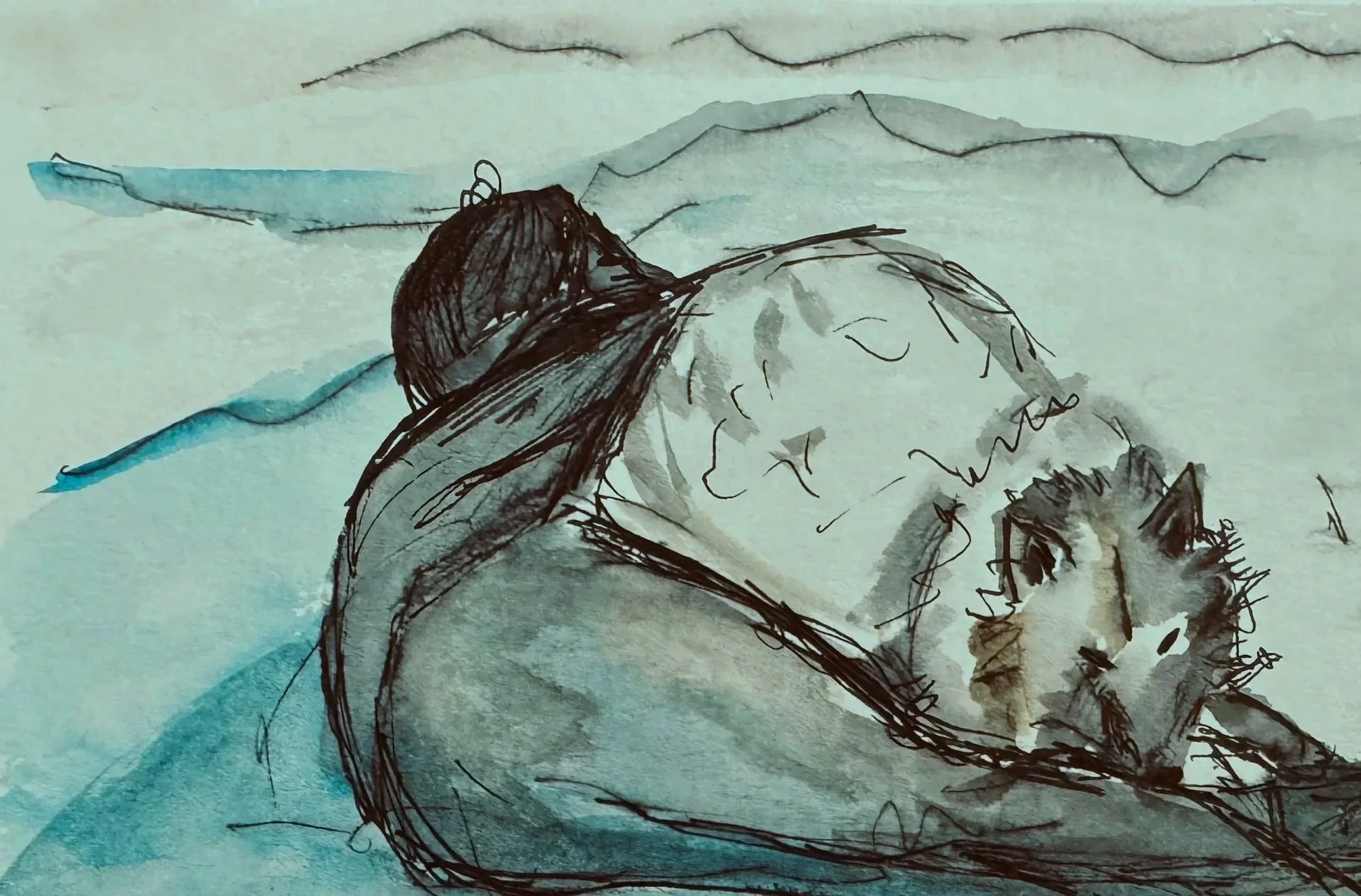
Knut protecting George.

Tucked in a drawer in my closet was an empty Leuchturm journal I had been saving to write a novella by hand. I yearned to see ink on a page, to write the old-fashioned way and feel the pen nib on the paper. It was supposed to be my reward for finishing the novel I’d been working on for years.

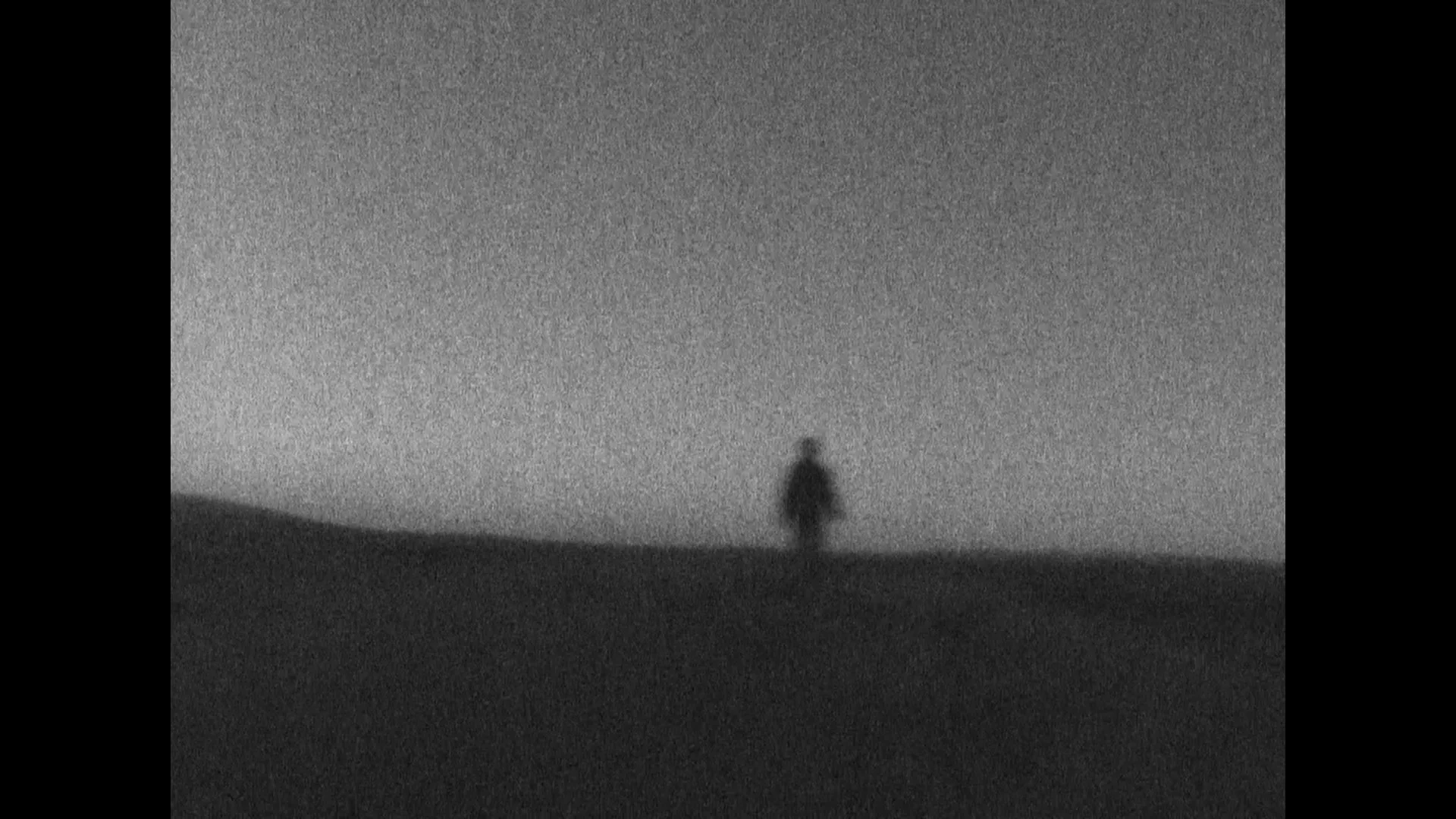
But then the pandemic, George Floyd, the marches... my neighborhood turning into a ghosthood overnight. The novel was a multi-voiced communal story set in Minneapolis, a city I had lived in both as a young adult and after grad school. But now I was living in Chicago, walking the abandoned streets at night with my dog, Zelda, taking photos and videos of our shadows, of the glowing windows we passed. Cicadas. Sirens. Endless ambulances. Cars drag raced down once busy streets. The city was both spooky and beautiful, and I felt locked away and simultaneously adrift like much of America. My misgivings about my project doubled and tripled, but I kept at it, writing about neighbors sharing space in a way that suddenly seemed quaint. Then one morning I pulled out the notebook, filled my pen and started to write. I heard a woman’s voice saying, How far north can you go before you reach the beginning? I went north to find my son... She turned out to be in complete denial, overly strategic—a director of risk and reputation, and she was not to be trusted. I couldn’t stop writing, or feeling like I was cheating on my almost finished novel. Claire Isono had a story to tell, about the time she went to the Arctic to try to save her son, a chef married to an architect of ice hotels.

I’d write a few pages each morning, stow the notebook away and get back to the revision. In the evenings, I’d rewatch episodes of Chef’s Table and then dream of halls of ice and long tables set with feasts. I invented dishes and didn’t worry if they were actually edible. I gave it the working title The Devouring because appetite was everywhere in the manuscript. When I was stuck, I’d let myself journal on the back side of the notepaper, and soon these short journals turned into a secondary Chicago story. Then I finished a draft of the first novel and half-heartedly shared it with my friend E and my partner. But it didn’t matter what they told me, I couldn’t stomach another draft. The book was dead—at least for now.

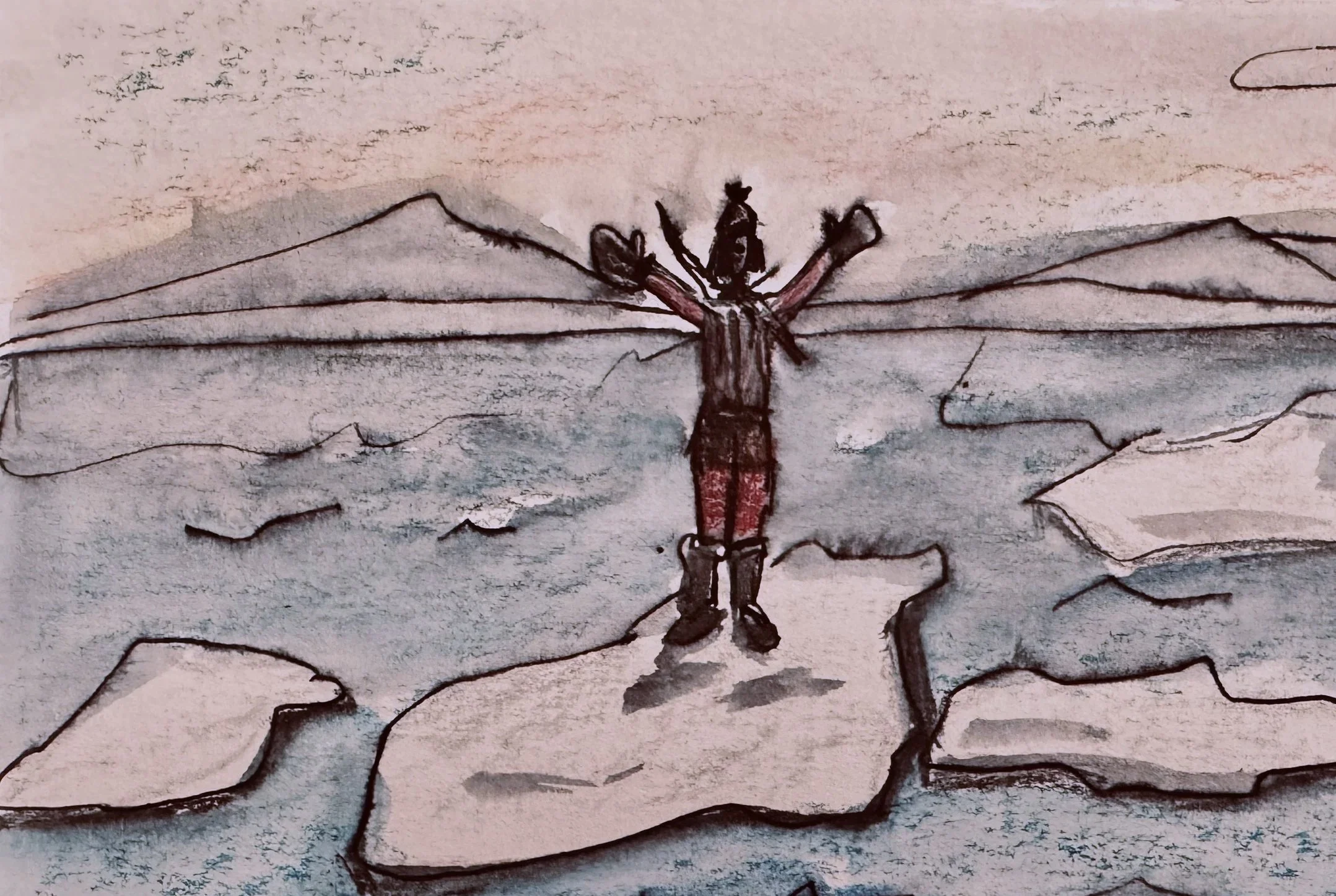
Sketch of the Hall of Mirrors at Sabina’s ice hotel.

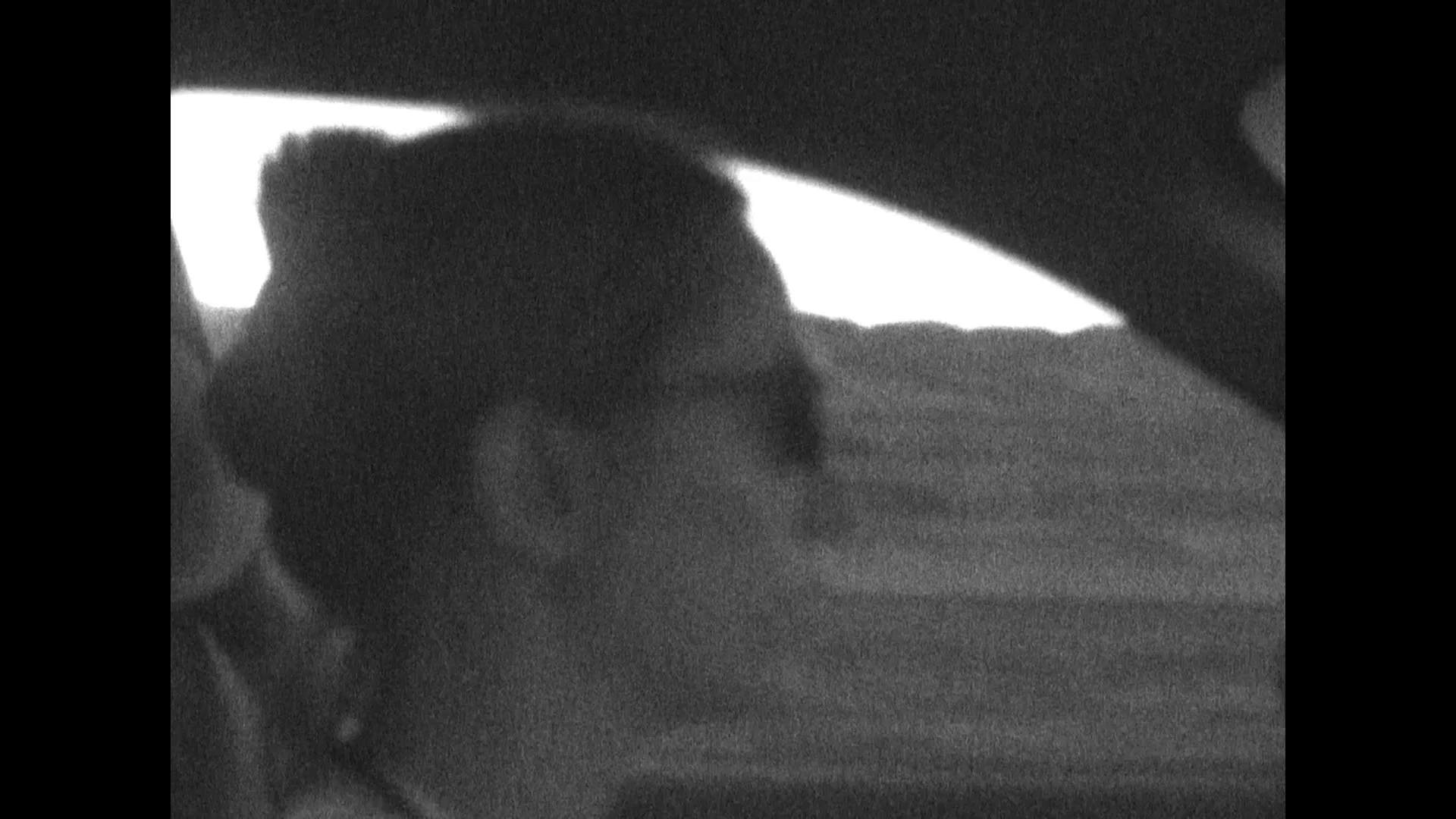
Some months later took out the new handwritten draft and typed it. I kept the working title, The Devouring. Over the past few years that 60,000ish word draft grew to 130,000. In the winter of 2022, I dragged my husband to Lapland for research and to stay in an ice hotel. It was so cold that week that Sweden shut down the trains north of Kiruna. Our train was full of vacationers from all over the world. We had a sleeping car and I took the top bunk and filmed the passing landscape. It was like watching an old European noir, the trees and sky in silver and black, dark smokestacks and shrill train whistles, lights flashing. Once we arrived the sky turned gray-gold and then later pink and blue. The Polar Nights. Different than in my imagination, but no less magical. The night we stayed in The Ice Hotel outside Kiruna it was -25. The frigid weather brought with it the Northern Lights, emerald green, flashing and streaking, changing so quickly we risked frostbite to stay outdoors and watch.

Claire Isono is adrift.

I promised myself that with this novel I would trust whatever came out of my pen. No early revision, I’d write as if I had forever and not censor myself. I finished a weird, wild draft and then put it away. For the next two years I didn’t understand why it had taken the turns it had or what I was going to do with it. And I worried there were too many stories about chefs coming out. Only this one is really about a chef, it’s about a mother. I had wanted to turn the trope of the overly controlling mother/mother-in-law upside down. This past December, I was able to understand what it was that the book was naturally doing. A few weeks ago I finished a third draft and printed it out. The larger questions still unsettle me. Who is Claire Isono in the end? Do I believe her?
Rain, Clown Nose, Cherry: A Postcard Film

Most of my time is spent finishing a novel and teaching a graduate fiction workshop at Northwestern. But I’m also keeping a small film and art practice going—short visual experiments that seem to inject energy into my writing and allow me to play with ideas.

This past fall I exchanged postcard paintings with filmmaker and artist Laura Harrison. (I’ll write more on this exchange soon.) If you’re not familiar with Laura’s work, she has an incredible, flexible imagination that allows for all kinds of visual and narrative surprise. She works on multiple projects and collaborations at once. I can’t emphasize enough how wonderful it is to get a random text late at night with a photo of one of her creations. Or the slight anxiety/excitement of staring at her images and making myself respond quickly on a blank 4 x 5 piece of paper. Laura has been helping me to be faster and less precious.

With that aim in mind I am making very quick and short weekly films. I’m a perfectionist and I tend to overwork ideas. This tendency has kept me from learning as quickly as I would like, and from finishing projects.

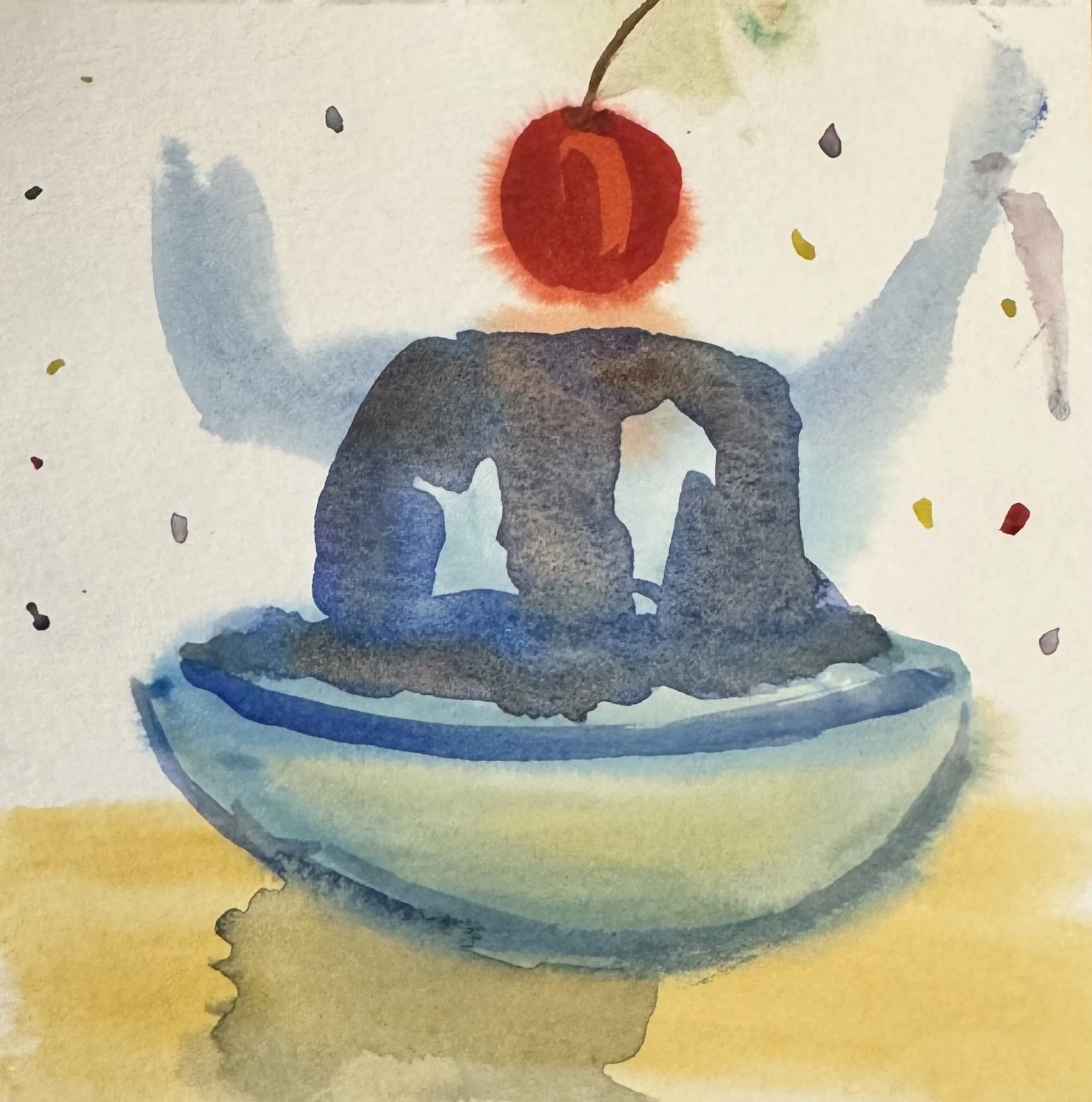
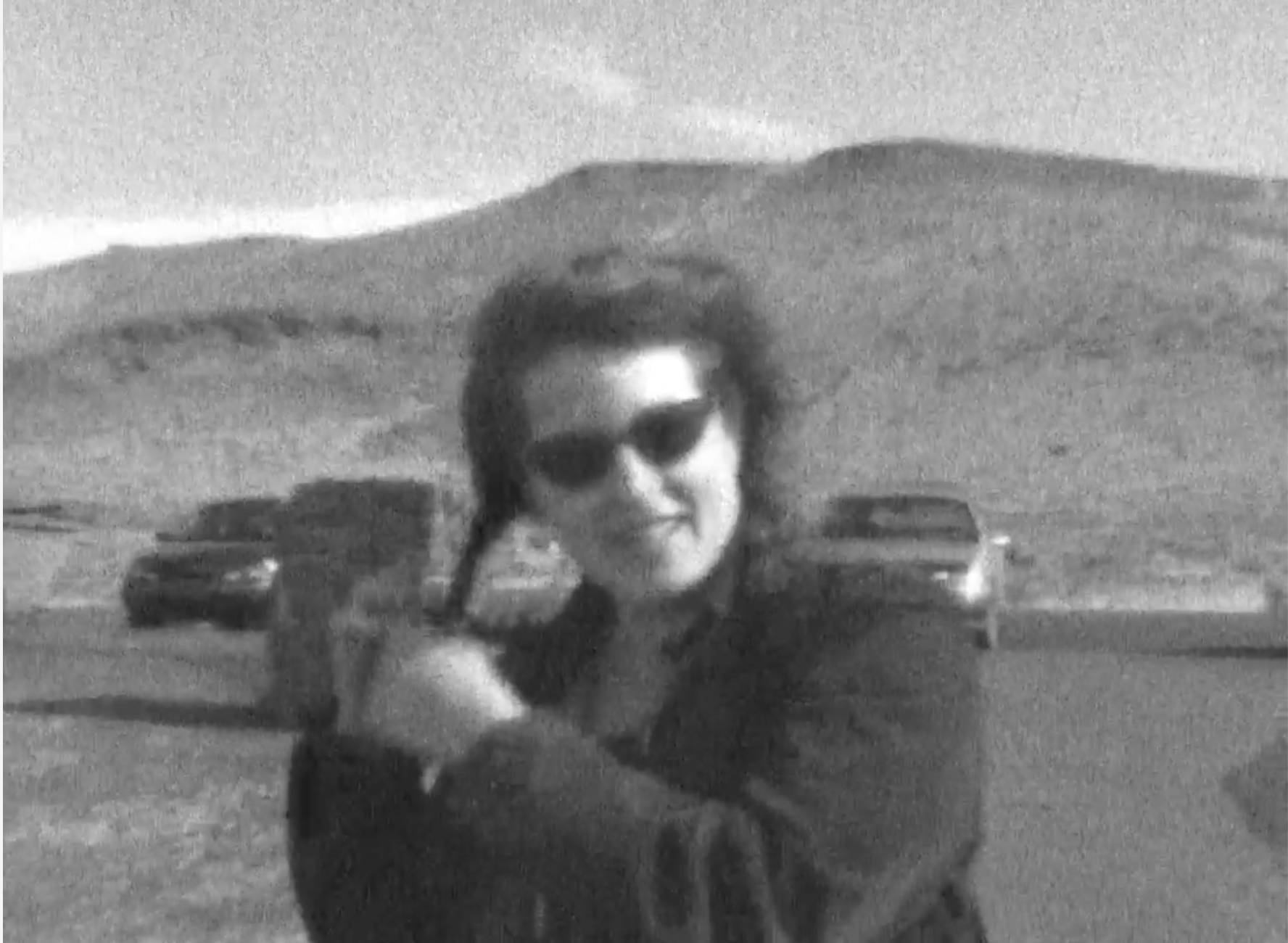
This week’s challenge? To take one of those postcard painting and use it to create a one-minute film, adding just five more sketches. For what I thought would be my central image I used a self-portrait in a clown nose. What happened to this woman before she sat down at her kitchen counter, put on a clown nose, and dug into a sundae?

I imported my images into Davinci Resolve and tried to turn them into a tiny story. The nose, the cherry. That bright-red circle. I leaned into that shape and color, and used my limited knowledge of film editing to telegraph a transfer of energy.

The resulting film is a little wonky, but also somehow touching. I shared it with my friend Janaki Ranpura, another favorite multidisciplinary artist, and she encouraged me to add an image to signal the disruption that led to this “utterly ridiculous,” vaguely sexual sundae moment. I added a fleeting memory of a betrayal. Then I found myself thinking of the film Brief Encounter. The sundae had transformed from mere consolation into a brief and ill-fated tryst.

Watercolor sketch film: A Brief Romance

5 Minute Postcard Plays for The Gift Theatre

On Friday, The Gift Theatre held its 25th Anniversary Gala at the gorgeous Copernicus Center on N. Milwaukee here in Chicago. I joined two other writers, playwright Jennifer Ramberger and multi-genre author Maggie Andersen to write impromptu 5 Minute Postcard Plays to raise funds for the coming season.

We had a blast, and the people who ordered postcards got to witness the messiness and playfulness of making art on demand. I’m not sure they got their $25 dollars worth, but hey, it went to a great cause.

SOME OBSERVATIONS

1) If you’re feeling too precious about your work, give yourself five to 10 minutes, and a 4 X 5 piece of paper. Ask a friend to give you a setting, a name, and an object. Then without overthinking it, sketch a micro-play, a story, or a poem. Add a doodle or a drawing to really loosen things up.

2) Small spaces force you to compress.

3) Small spaces back you into corners you have to resolve quickly.

4) Making art for a happy occasion + keeping it short and quick can lead to funny, absurd scenarios.

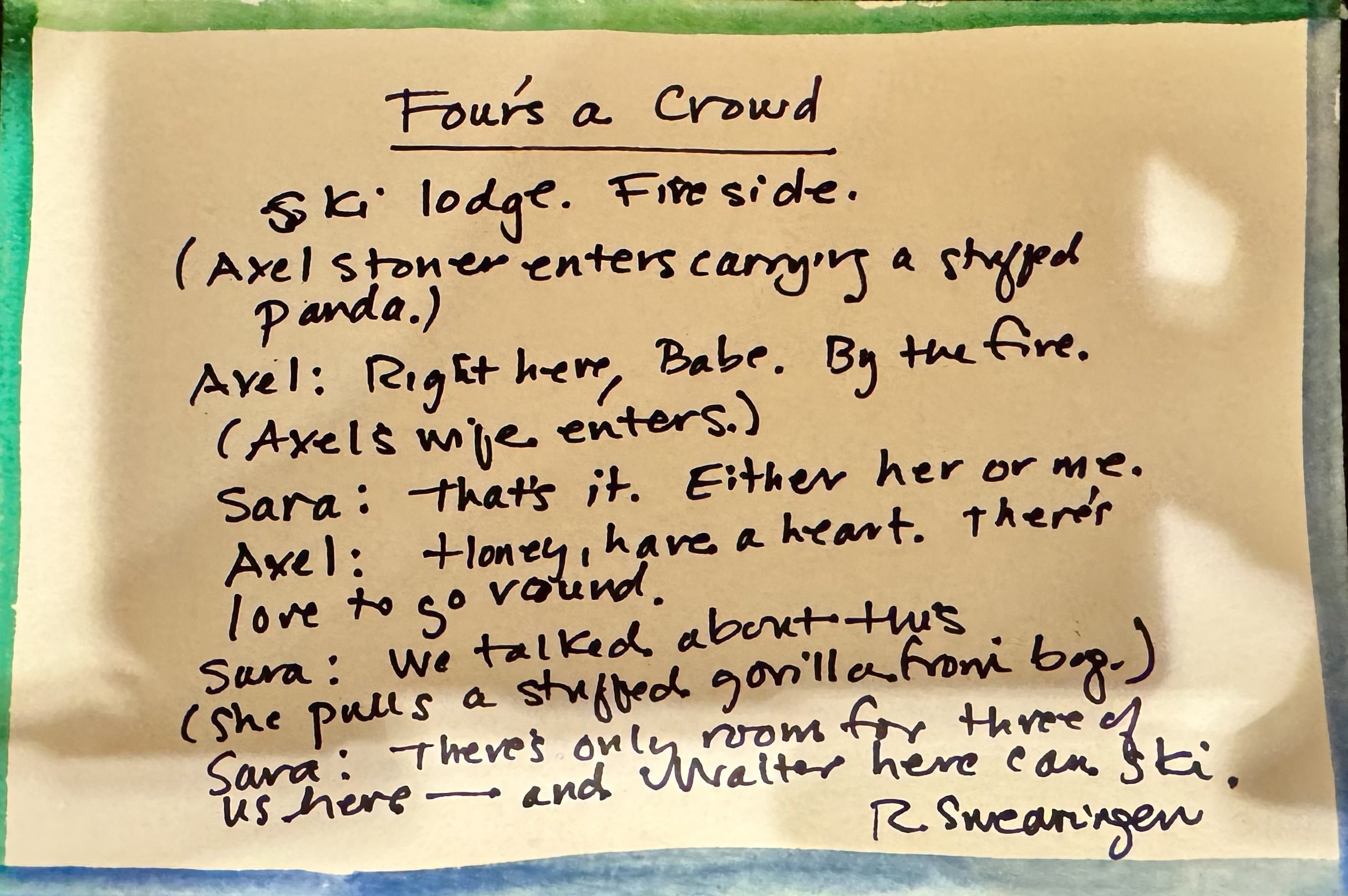
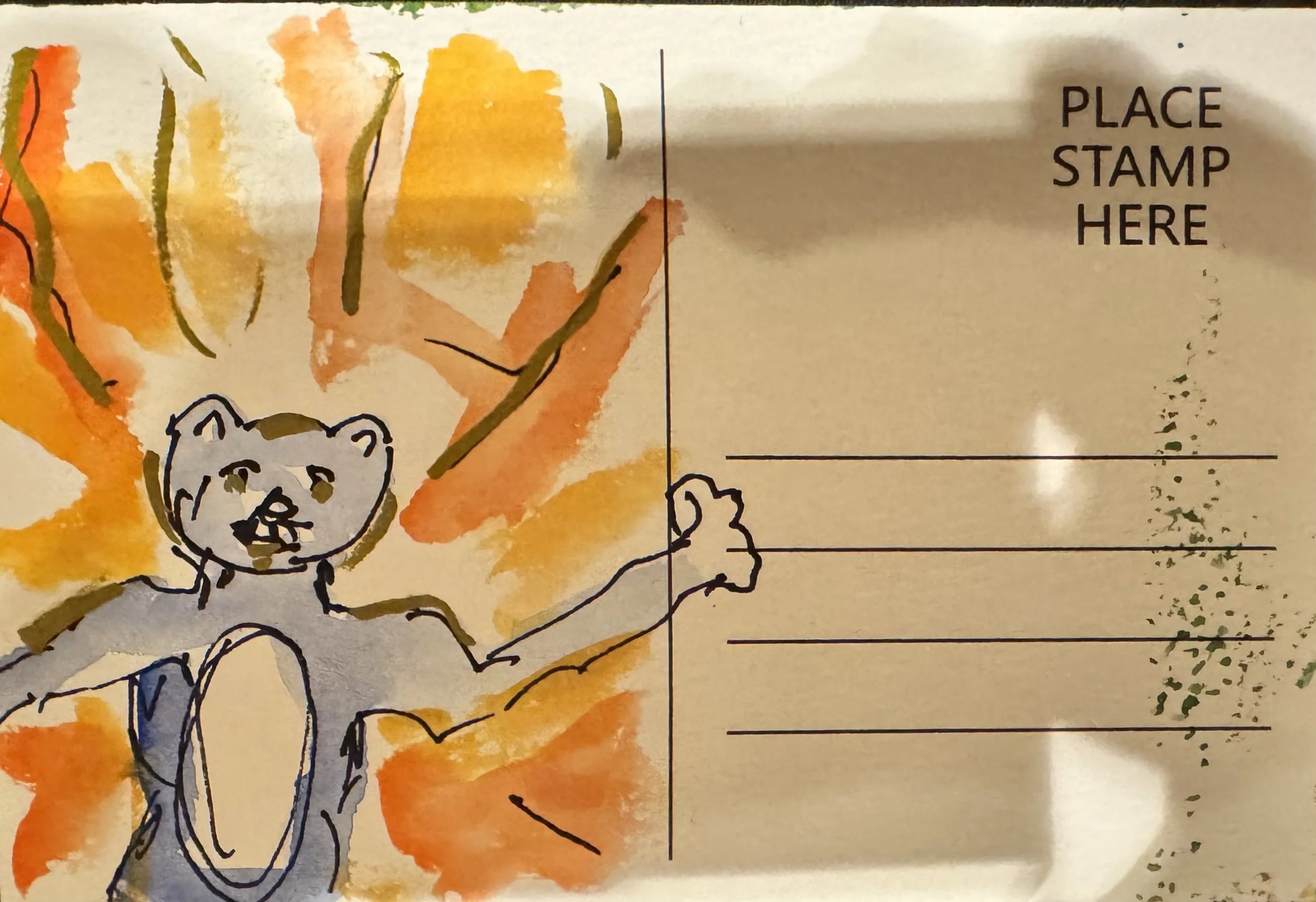
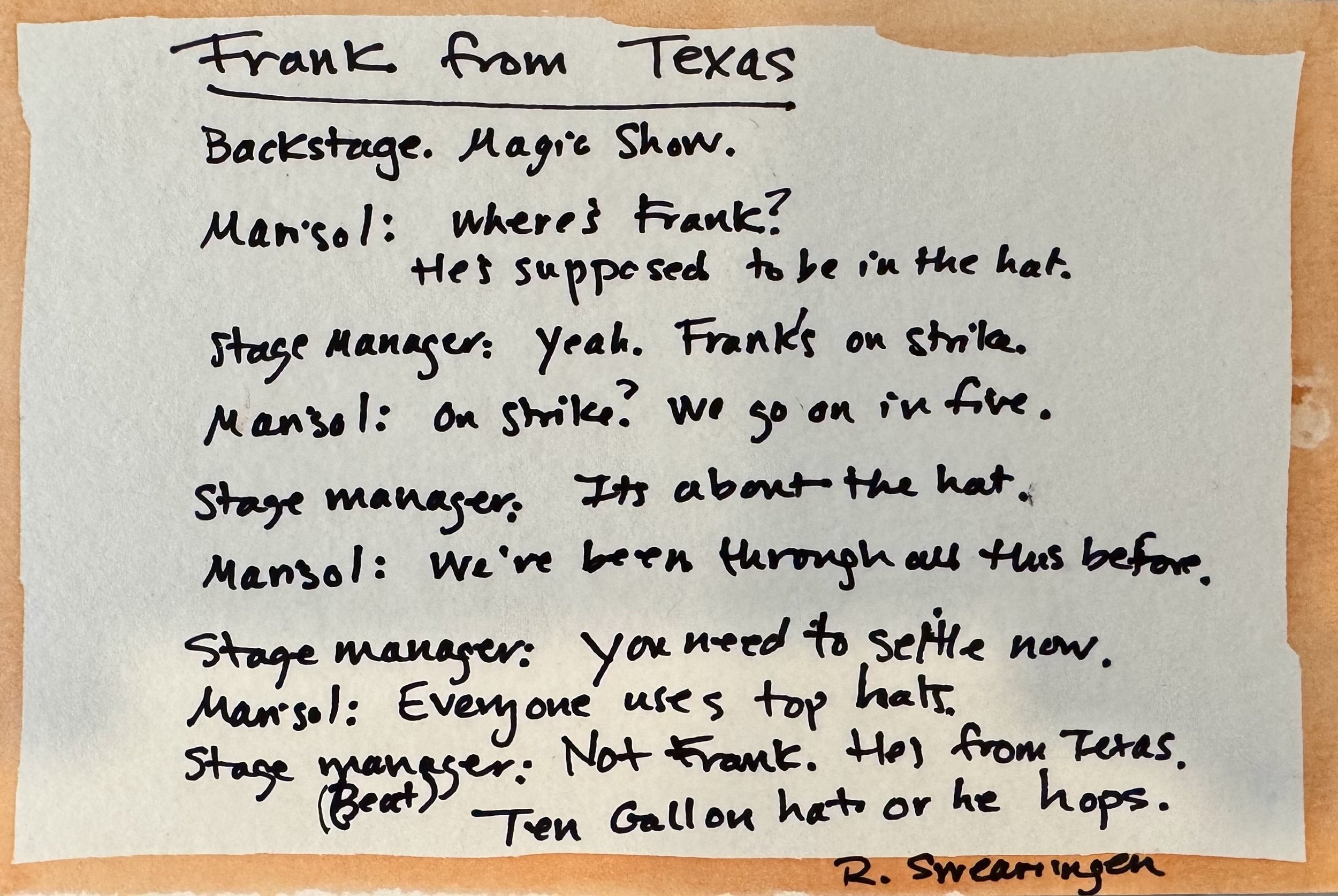
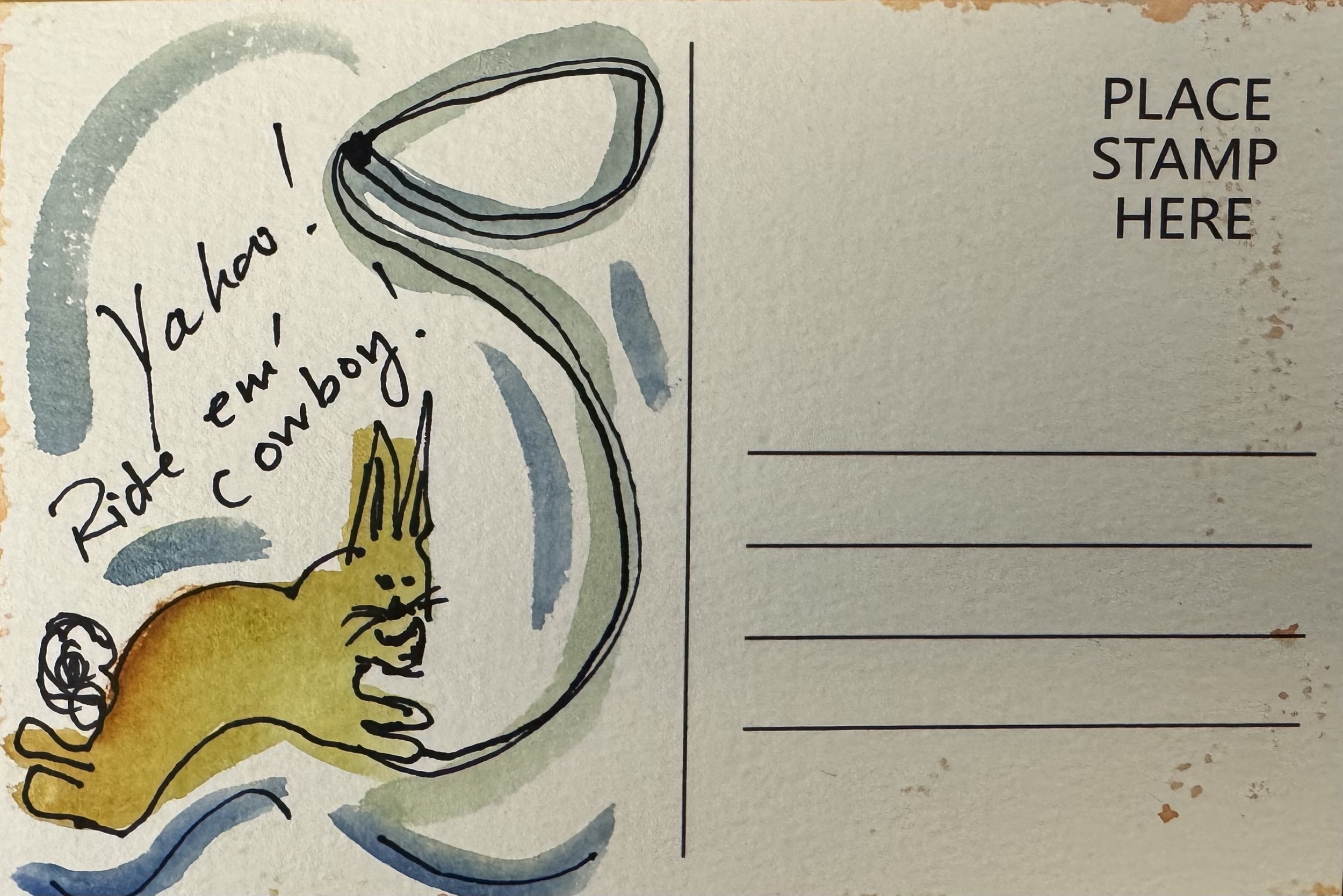
5) People love to use animals as objects. Some of the prompts: 1) A ski lodge, Axel Stoner, and a panda. 2) Magic show, Frank, rabbit. Animals invite play.

6) I have a new appreciation for comedians. Jokes are hard. One, two, turn is a natural rhythm, but it’s incredibly difficult to stick a landing.

7) These tiny plays exposed a problem I’ve been working on in my screenwriting. I lean too heavily on dialogue, asking language to do work that belongs to action—or silence. (Thank you, playwrights.)

8) Collaboration invites new energy and ideas. I have spent long years and hours working alone, protecting myself from distraction. While this is often necessary, some of the most meaningful growth I’ve made has been alongside other artists.

On Friday I watched Jennifer and Maggie approach their plays in different ways. Jennifer Ramberger wrote like a happy machine, unworried about how her pieces turned out. She told me this was because of endless table reads as a playwright and constant iteration. And Maggie Andersen managed to sit down after a full week of teaching and knock out several plays… even channeling her thoughts on the state of higher education for one. (Check out Maggie’s new memoir, No Stars in Jefferson Park, inspired in part by her experiences with the founding of The Gift Theatre.)

When the commissions suddenly multiplied and we were all working together in a frenzy, I was forced to write faster—and more freely—than I do alone.

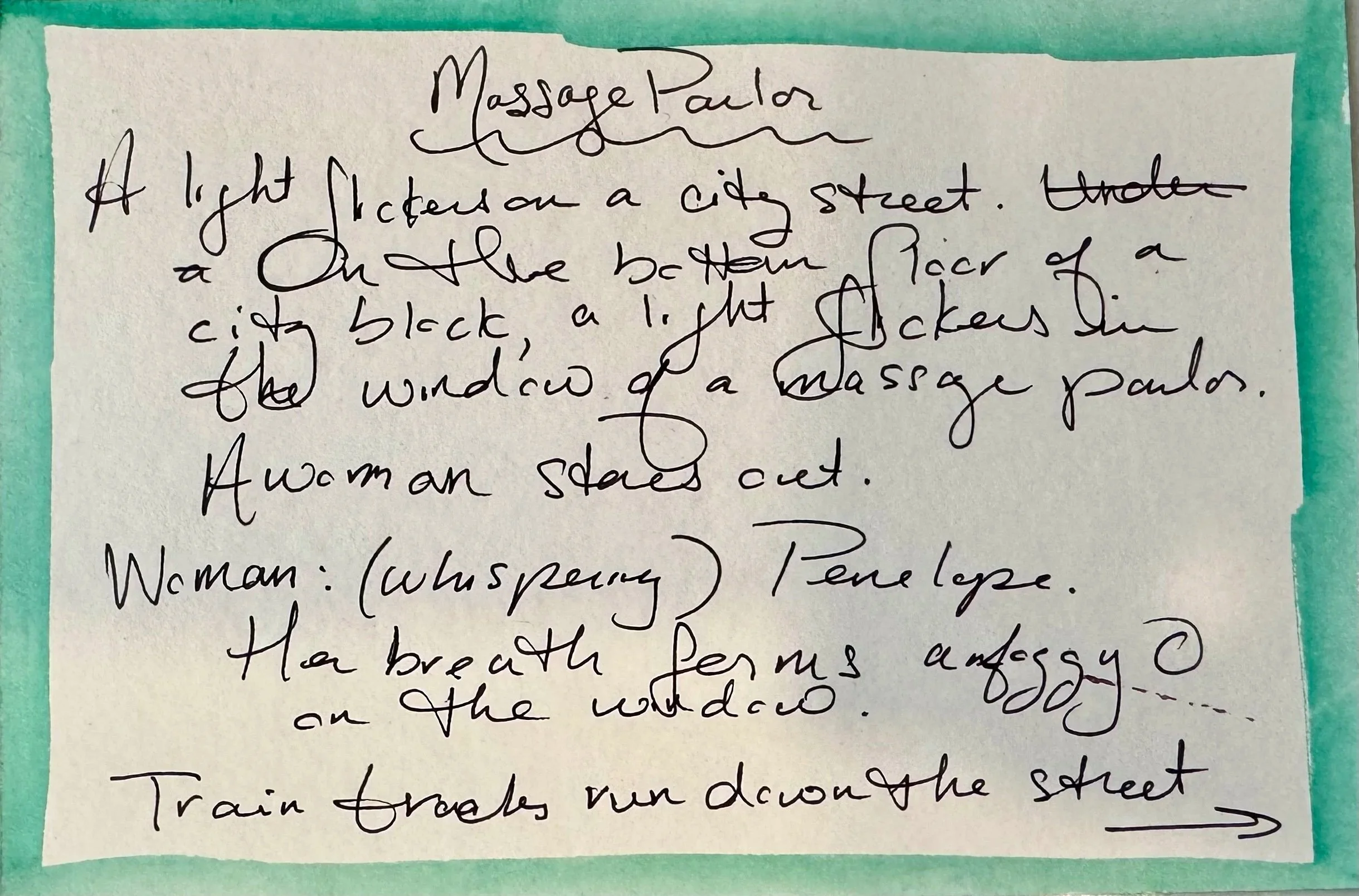
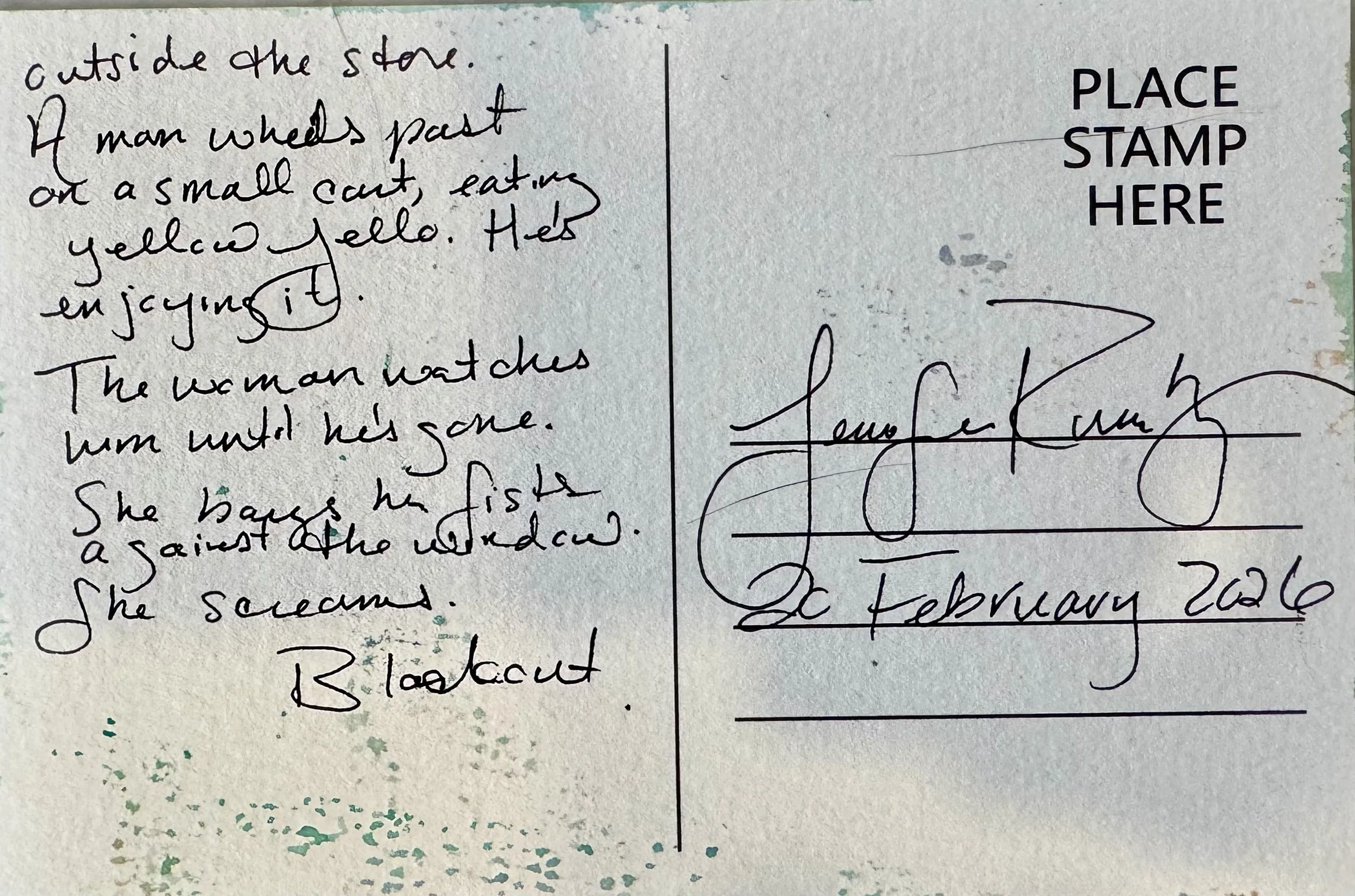
I snapped a photo of the postcard I commissioned from J.R. and two very cheesy ones I wrote (see below). My pen was moving too fast to get an image of one of Maggie’s or any of the many others we wrote.

8) Note to self: Imperfect and fast making + sharing helps to keep the work flowing. Perfection and the fear of looking ridiculous is a killer.

This experience left me wanting to find more opportunities to make art on the fly in the company of other artists—though it may be a while before I try stand-up.

5 Min. Postcard Play, Side 1: “Four’s a Crowd” (R. Swearingen)

5 Min. Postcard Play, Side 2: “Four’s a Crowd” (R. Swearingen)

5 Min. Postcard Play, Side 1: “Massage Parlor” ( J. Rumberger)

5 Min. PostCard Play, Side 2: “Massage Parlor” (J. Rumberger)

5 Min. Postcard Play, Side 1: “Frank from Texas” (R. Swearingen)

5 Min. Postcard Play, Side 2: “Frank from Texas” (R. Swearingen)